Are you struggling with audio issues during conferences? Poor sound quality can ruin engagement and comprehension.
In this article, we’ll explore how to design an effective amplifier professional conference solution.
You’ll learn about the importance of sound quality and the key challenges in audio setups.
Understanding the Basics of Conference Amplifiers
Types of Conference Amplifiers
Class D Amplifiers
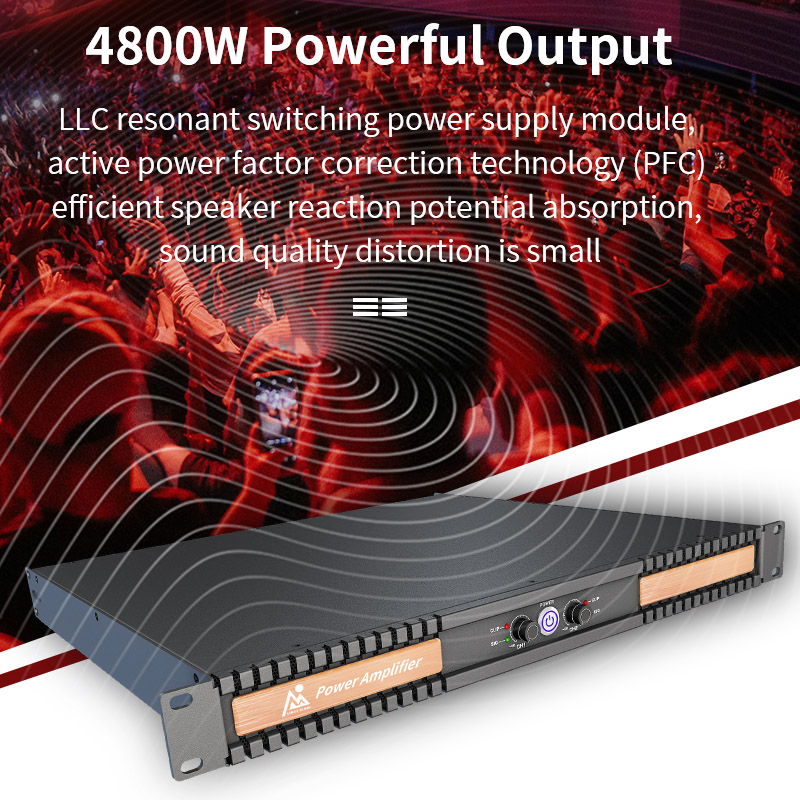
Class D amplifiers are popular in professional audio settings due to their high efficiency and low heat generation. They use pulse-width modulation to amplify audio signals, resulting in less wasted energy. This efficiency makes them ideal for long conferences where equipment runs for extended periods without overheating.
For example, Lihui Audio's Class D amplifiers, like the FSA1000, provide robust performance while maintaining a compact design. This model delivers 1000W×4 at 8Ω, making it suitable for small to medium-sized conference rooms. Users appreciate its reliability and sound clarity, essential for effective communication.
Class A/B Amplifiers
Class A/B amplifiers combine the benefits of Class A and Class B technologies. They offer better sound quality than Class B amplifiers while being more efficient than Class A models. These amplifiers are ideal for applications where sound fidelity is critical, such as in high-end conference settings.
You might consider using Class A/B amplifiers in scenarios where audio quality takes precedence over energy efficiency. They work well in smaller venues where the audience requires clear sound reproduction.
Key Specifications to Consider
Power Output
Calculating the required power output is crucial for ensuring your amplifier meets the needs of your venue. The power output should match the size of the conference room and the number of attendees. A general rule of thumb is to provide about 1 watt per person for speech applications.
Venue Size | Recommended Power Output | Example Model |
Small (≤20 people) | 20-40 watts | Lihui FSA1000 |
Medium (30-100 people) | 200-400 watts | Lihui TLA2200 |
Large (≥100 people) | 1000 watts or more | Lihui L4000 |
For instance, the Lihui FSA1000 is perfect for small conferences, providing 1000W across its four channels, ensuring clear sound even in compact settings.
Total Harmonic Distortion (THD)
Total Harmonic Distortion (THD) measures how much a sound signal deviates from its original form. A lower THD percentage indicates better sound quality, especially for speech clarity. For conference settings, aiming for a THD of ≤0.03% is ideal.
Lihui's L4000 amplifier boasts a THD of ≤0.02%, ensuring that every word is transmitted with fidelity. This level of performance helps prevent audio distortion, allowing attendees to hear clearly, which is vital during presentations.
Signal-to-Noise Ratio (SNR)
The Signal-to-Noise Ratio (SNR) indicates how much background noise is present compared to the desired signal. A higher SNR means clearer audio, which is essential in conference environments where distractions can hinder communication.
Lihui amplifiers typically achieve an SNR of ≥105dB, significantly enhancing audio quality. This specification ensures that even the quietest speaker can be heard clearly, making it easier for the audience to engage with the content being presented.
In summary, understanding these basic concepts of conference amplifiers will help you make informed decisions when designing your audio solution. By considering the types of amplifiers and their key specifications, you can ensure a successful conference experience.
Steps to Designing a Professional Conference Amplifier Solution
Step 1: Requirements Analysis & Venue Assessment
Assessing Venue Size and Layout
The first step in designing a professional conference amplifier solution is to assess the venue's size and layout. The dimensions of the room significantly impact how sound travels and distributes. For example, larger venues may require more powerful amplifiers and strategically placed speakers to ensure even sound coverage.
To illustrate this, consider a small conference room:
● Power Needs: 20-40 watts
● Speaker Placement: 1-2 speakers at the front
In contrast, a large auditorium could require multiple speakers distributed throughout the space to cover the audience effectively:
Venue Size | Recommended Amplifier Power | Speaker Placement Strategy |
Small (≤20 people) | 20-40 watts | 1-2 speakers at the front |
Medium (30-100 people) | 200-400 watts | Main speakers with fill speakers |
Large (≥100 people) | 1000 watts or more | Distributed speakers throughout |
This table serves as a quick reference for matching venue size with appropriate amplifier power and speaker placement strategies. Proper assessment ensures that the audio system will meet the needs of the event and provide clear sound for all attendees.
Understanding Audience Size
Next, understanding the audience size is crucial. The number of attendees helps determine the sound pressure levels (SPL) needed for effective communication. A general guideline is to provide about 1 watt per person for speech applications.
For instance, a conference room with 50 attendees would typically require at least 50 watts of power to ensure clarity.
● Audience Interaction: Will they be seated closely together or spread out?
● Sound Coverage: This can influence the type of speakers and amplification needed.
If your audience is larger, additional speakers may be necessary to prevent sound from dissipating before reaching the back rows.
Identifying Audio Needs
Finally, identifying audio needs is essential. Conferences often prioritize speech clarity over music quality. Therefore, it’s important to focus on the frequency range that enhances vocal intelligibility, typically between 100 Hz and 4 kHz.
● Event Type: Knowing whether the event will include music or just speech can influence the choice of equipment and setup.
● Example: If live music will be part of the conference, you'll need a system that can handle a broader frequency range.
This might involve selecting higher-quality speakers and amplifiers that can reproduce music accurately while still delivering clear speech.
Step 2: Amplifier Specification & Matching
Power Calculation
Once you have a clear understanding of the venue and audience, it’s time to specify the amplifier. Power calculation is key to matching amplifier power to speaker ratings.
For example, the Lihui TLA2200, which provides 2200W×2 at 8Ω, is ideal for medium-sized conferences. This ensures that the amplifiers can handle the demands of the venue without distortion.
● Peak vs. Average Power: When calculating power needs, consider both the peak and average power requirements.
● Peak Power: Necessary for handling sudden loud sounds.
● Average Power: Needed during most of the conference.
This distinction helps in selecting an amplifier that can perform reliably throughout the event.
Impedance Matching
Impedance matching is another critical factor. Ensuring that the amplifier's output impedance is compatible with the speakers prevents distortion and potential damage.
● Common Impedance Ratings: Most speakers have an impedance rating of 4Ω, 6Ω, or 8Ω.
● Compatibility Check: It’s important to check these specifications when selecting your amplifier.
Using mismatched impedances can lead to poor sound quality and may even damage the equipment. For example, if you connect an 8Ω speaker to a 4Ω output, the amplifier may struggle, leading to overheating or distortion. Therefore, always verify compatibility before finalizing your equipment choices.
Efficiency Classes
When choosing amplifiers, consider their efficiency classes. Class D amplifiers are highly efficient and generate less heat, making them suitable for long conferences.
● Class D Advantages: Can run for hours without overheating, ideal for all-day events.
● Class A/B Benefits: Offer better sound quality but can be less efficient.
Choosing the right class depends on the specific needs of the conference. Understanding these differences helps in selecting the best option for your audio requirements.
Step 3: Integrated Audio Chain Components
Digital Signal Processors (DSP)
Incorporating Digital Signal Processors (DSP) is essential for modern audio setups. DSPs play a key role in echo cancellation and noise reduction, enhancing overall sound quality.
● Customization: They help tailor the audio output to suit the specific acoustics of the venue.
● Example: A DSP can adjust the sound based on the room's dimensions and materials, compensating for any acoustic challenges.
This technology allows for a more customized audio experience, ensuring that all attendees hear the content clearly, regardless of their seating position.
Mixers
Using multi-channel mixers is vital for managing various audio inputs. These devices allow you to control multiple microphones, laptops, and other audio sources seamlessly.
● Flexibility: This flexibility is crucial in conference environments where different speakers and presentations occur.
● Features: A good mixer will enable you to adjust levels, apply effects, and route audio to different outputs.
This ensures that each speaker can be heard clearly without interference from other audio sources. It also allows for quick adjustments during the event, which is essential for maintaining audio quality.
Speaker Distribution
Strategically distributing speakers throughout the venue ensures even sound coverage. Main speakers should be placed to maximize audience reach, while auxiliary speakers can fill in dead zones.
● Speaker Types: Consider using a combination of full-range speakers and subwoofers to achieve a balanced sound.
● Placement Strategy: Full-range speakers handle vocals well, while subwoofers enhance low frequencies, making for a richer audio experience.
Proper distribution ensures that no one in the audience misses important information. For example, placing speakers at the front and sides can help eliminate sound gaps in larger rooms.
Step 4: Technical Design Best Practices
PCB/Internal Layout
The internal layout of the amplifier’s PCB (Printed Circuit Board) is crucial for reducing noise. Keeping power and signal traces separate minimizes interference, leading to cleaner audio output.
● Quality Components: Additionally, using high-quality components can reduce noise and improve overall sound fidelity.
● Design Impact: This attention to detail in the design phase pays off in the form of clearer audio during the conference, enhancing the experience for all attendees.
Grounding Techniques
Implementing effective grounding techniques is essential to prevent ground loops and hum.
● Techniques: Using star grounding or solid ground planes can help maintain a clean audio signal.
● Importance: This is particularly important in environments with multiple audio sources.
Ground loops can introduce unwanted noise into the audio signal, which can be distracting during presentations. Proper grounding techniques ensure a clean signal path, allowing the audience to focus on the content being presented without distractions.
Rack Mounting Considerations
Securing amplifiers in ventilated racks is important for maintaining optimal operating temperatures.
● Prevent Overheating: Proper rack mounting prevents overheating and ensures reliability during long conferences.
● Rack Features: Consider using racks designed for audio equipment that include features like adjustable shelves and cable management.
This organization helps keep everything tidy and accessible, making setup and adjustments easier during the event.
Step 5: Deployment & Calibration
Speaker Placement Strategies
Optimal speaker placement is key to achieving the best sound coverage.
● Positioning: Speakers should be positioned at ear level, directed toward the audience. This positioning helps maximize clarity and ensures that everyone in the room can hear clearly.
● Delay Speakers: Additionally, consider using delay speakers in larger venues to ensure that sound reaches the back of the room at the same time as the front.
This synchronization is crucial for maintaining audio quality and coherence during presentations.
Testing and Tuning
Before the conference begins, testing and tuning the audio system is crucial.
● Adjustments: Adjusting volume levels and EQ parameters helps tailor the sound to the specific venue acoustics.
● Sound Check: Performing a sound check with all the equipment in place allows you to identify any issues that may arise during the event.
This proactive approach ensures that you can address potential problems before they affect the audience experience.
Future-Proofing the Setup
Finally, planning for scalability and upgrades is essential.
● Technology Evolution: As technology evolves, consider how your audio setup can adapt to future needs.
● Modular Components: Investing in modular components allows for easy upgrades without complete system overhauls.
For instance, choosing amplifiers and speakers that can be easily integrated with new technologies ensures that your setup remains relevant. This foresight can save time and money in the long run, making your conference audio system more resilient to change.
By following these steps, you can design a robust amplifier professional conference solution that meets the unique needs of your event, ensuring a seamless audio experience for all attendees.
Application Scenarios for Conference Amplifiers
Small Conferences
Ideal Amplifier Models
For small conferences, selecting the right amplifier is essential to ensure clear audio without overwhelming the space. The Lihui FSA1000 is an excellent choice for small meeting rooms.
● Power Output: It delivers 1000W, providing sufficient power for intimate settings.
● Efficiency: Its Class D technology ensures high efficiency and low heat generation, making it perfect for longer meetings.
This amplifier is designed to handle the audio needs of small groups effectively, ensuring everyone can hear the speaker clearly without distortion.
Setup Recommendations
When setting up for a small conference, consider the following:
1. Speaker Placement: Position speakers at ear level and directed towards the audience. This enhances clarity and ensures that everyone receives the sound evenly.
2. Microphone Use: Utilize wireless microphones to allow speakers to move freely while maintaining audio quality.
3. Testing: Always perform a sound check before the event to adjust levels and eliminate any feedback issues.
By following these setup recommendations, you can create an effective audio environment for small conferences.
Medium Conferences
Amplifier Selection
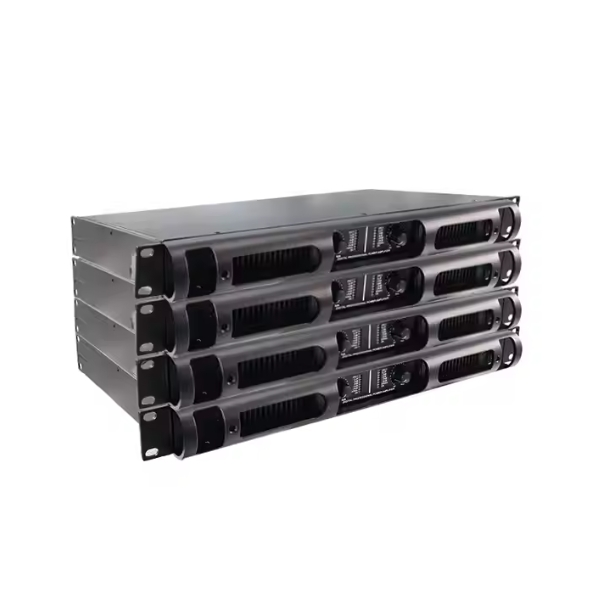
For medium-sized conferences, a combination of amplifiers can provide the necessary sound coverage. Pairing the Lihui TLA2200 with the FSA1000 offers a robust solution.
● TLA2200 Power: This amplifier delivers 2200W, ensuring strong audio output for larger audiences.
● FSA1000 Role: The FSA1000 can serve as a fill speaker amplifier, enhancing sound distribution throughout the venue.
Using both amplifiers together allows for a more dynamic audio experience, accommodating various speaker types and presentations.
Coverage Strategies
To ensure comprehensive audio coverage in medium conferences, consider these strategies:
● Speaker Distribution: Place main speakers at the front and additional speakers around the room to cover all areas effectively.
● Delay Speakers: Implement delay speakers in larger venues to synchronize sound reaching the back of the room.
● Sound Pressure Levels: Monitor SPL to ensure it meets the audience's needs without causing discomfort.
This approach helps create a balanced audio experience, allowing all attendees to engage fully with the content.
Large Conferences
High-Power Amplifier Options
For large conferences, high-power amplifiers are crucial to ensure that sound reaches every corner of the venue. The Lihui L4000 is an ideal choice for these settings.
● Power Capacity: With 4000W output, it can handle large crowds and complex audio setups with ease.
● Sound Quality: This amplifier maintains clarity even at high volumes, making it perfect for keynote speeches and presentations.
Choosing the right high-power amplifier is vital for delivering a professional audio experience in large venues.
Managing Complex Audio Needs
Large conferences often involve multiple audio sources, which can complicate audio management. Here are some strategies to handle these complexities:
● Digital Signal Processing: Utilize DSPs to manage echo cancellation and noise reduction, ensuring clear audio across various inputs.
● Mixing Consoles: Invest in multi-channel mixers that allow for seamless integration of different audio sources, such as microphones, presentations, and video feeds.
● Speaker Configuration: Use a combination of main and auxiliary speakers to ensure even sound distribution throughout the venue.
By implementing these strategies, you can effectively manage the audio needs of large conferences, ensuring that all attendees receive high-quality sound.
Conclusion
In summary, designing an amplifier professional conference solution requires careful planning.
Key points include assessing venue size, selecting appropriate amplifiers, and managing audio distribution effectively.
A tailored approach ensures clear sound for all attendees.
We encourage you to evaluate your specific conference needs and explore suitable amplifier solutions.
By doing so, you can enhance the audio experience and ensure successful events.


 +86-18822957988
  rick@lihuitech.com
  +86-13925512558
  Hengbang Technology Park Lihui Technology Co., Ltd., No. 8 Weiheng Road, Niushan Industrial Zone, Dongguan City