Introduction
Have you ever wondered how a loudspeaker turns electricity into sound? In this article, we’ll dive into the technology behind speakers that bring music, speech, and sound effects to life. You’ll learn how each component, from the voice coil to the diaphragm, plays a role in producing sound.
How Loudspeakers Transform Electricity into Sound
What Is a Loudspeaker?
A loudspeaker is a device that converts electrical energy into sound, allowing us to hear music, speech, and other audio content. It’s an essential component in many electronic devices like radios, TVs, and computers, and it comes in various sizes and types to serve different purposes.
Common Types of Loudspeakers
● Home Audio Speakers: These are used in personal setups for listening to music or movies. They typically include both woofers (for low frequencies) and tweeters (for high frequencies) to produce full-range sound.
● Public Address Systems: Often used in venues like schools, theaters, and conference halls, these speakers are designed for clear, amplified sound over large areas.
● Portable Speakers: These compact devices often use a single driver to deliver sound in a portable form, perfect for on-the-go use.
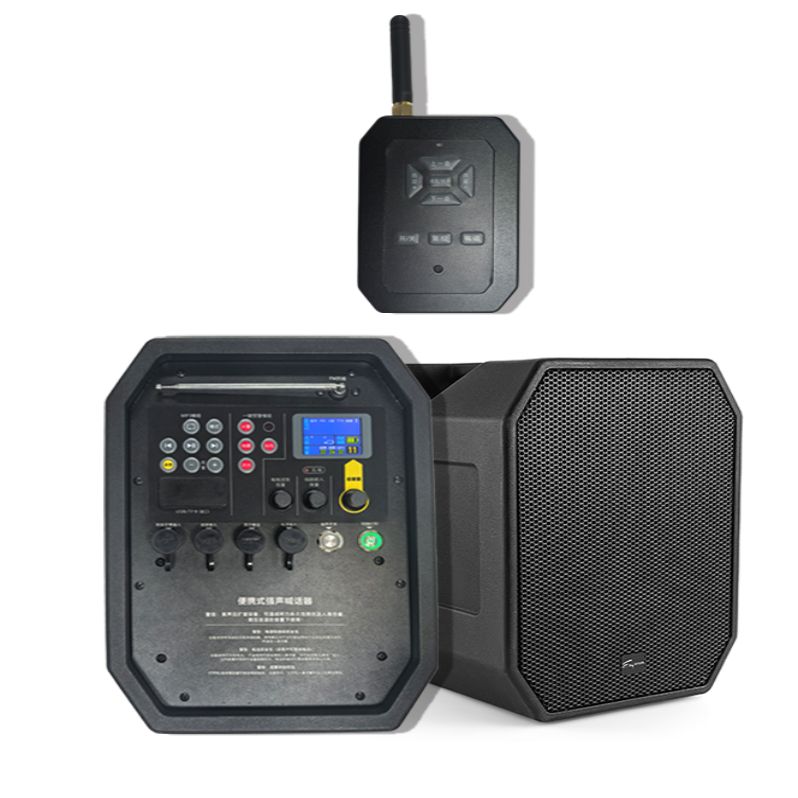
The Key Components of a Loudspeaker
A loudspeaker relies on several key parts that work together to produce sound. Each part has a specific function that contributes to the loudspeaker's ability to convert electrical signals into audible sound waves.
Component | Function |
Voice Coil | A wire coil that turns electrical signals into a magnetic field, making it interact with the magnet, causing movement. |
Diaphragm (Cone) | A cone or diaphragm that moves back and forth, pushing and pulling air to create sound waves. Typically made of paper, plastic, or lightweight metals. |
Magnet | A permanent magnet that generates a steady magnetic field, which interacts with the voice coil, driving the diaphragm's movement. |
Basket | The frame that holds the magnet, voice coil, and diaphragm in place, keeping everything aligned and sturdy. |
Spider & Suspension | These flexible parts keep the voice coil centered in the magnetic gap while allowing it to move freely with the electrical signal. |
The Physics of Sound: How Electricity Becomes Sound
The process of turning electricity into sound is based on the principles of electromagnetism and the movement of air. Here's a look at how electricity flows through the speaker and results in sound waves.
1. Electromagnetic Interaction
2. When an electrical signal flows through the voice coil, it creates a magnetic field. This fluctuating magnetic field interacts with the permanent magnet inside the speaker, causing the voice coil to move back and forth.Movement of the Diaphragm
3. Attached to the voice coil, the diaphragm (cone) moves in response to the magnetic force. This back-and-forth motion pushes and pulls the air, creating sound waves that travel through the air and reach our ears.Sound Wave Production
The speed and extent to which the diaphragm moves determine the frequency and volume of the sound. Faster movements produce higher frequencies, and larger movements create louder sounds.This process of converting electrical signals into sound involves not just the movement of the diaphragm but also the interaction between the voice coil and the magnet, all orchestrated to produce the sound we hear.
How Do Different Loudspeakers Produce Various Volumes and Frequencies?
Volume Control: Why Do Some Loudspeakers Produce Louder Sounds?
Loudspeakers create sound by moving air, and the louder the sound, the more air they must move. The amount of movement of the diaphragm, or cone, plays a crucial role in determining sound volume. A larger movement of the diaphragm results in more air being pushed, producing a louder sound, similar to how banging a drum harder creates a louder noise.
● Cone Movement and Volume: When a larger electrical current flows through the voice coil, it moves the diaphragm farther, creating a stronger sound wave. Conversely, a smaller electrical pulse results in smaller diaphragm movement and quieter sound.
● Energy and Volume: Sound is essentially energy transferred through the air. The more energy you provide to the loudspeaker, the louder the sound. This means that more power from the amplifier makes the speaker cone move with greater force, creating louder sound waves.
Frequency Range: How Do Loudspeakers Produce High and Low Notes?
Loudspeakers can produce a wide range of frequencies, from deep bass tones to sharp treble. The frequency range is determined by the size and design of the diaphragm and the driver.
● Cone Size and Frequency: Larger cones, known as woofers, are best for producing low frequencies (bass sounds), as they can move slowly but with a lot of air movement. Smaller cones, known as tweeters, handle high frequencies and can move quickly for higher-pitched sounds.
● Crossover Circuits: To achieve a full-range sound, speakers often use a crossover circuit. This divides the audio signal into different frequency ranges and sends them to the appropriate drivers (woofers for low, tweeters for high). Without this division, you might hear distorted or incomplete sound in a speaker.
The Role of Tweeters, Woofers, and Midrange Drivers
Each driver in a loudspeaker is specialized to produce a specific range of frequencies, ensuring that the speaker can reproduce a full spectrum of sound.
● Tweeters: These small drivers are responsible for the highest frequencies, typically above 2,000 Hz. They are designed to handle delicate sounds like cymbals, high-pitched voices, and treble notes.
● Woofers: Woofers are the largest drivers in a speaker and are responsible for producing low-frequency sounds (bass). They are ideal for sounds like drums, bass guitars, and deep synths.
● Midrange Drivers: These drivers fill the gap between tweeters and woofers. They handle the frequencies where most of the music's main sounds (like vocals and most instruments) exist, usually between 200 Hz and 5,000 Hz.
Table: Frequency Range and Driver Types
Driver Type | Frequency Range | Role |
Woofer | 20 Hz - 2000 Hz | Produces bass and mid-bass |
Tweeter | 2000 Hz - 20,000 Hz | Produces high frequencies |
Midrange Driver | 200 Hz - 5,000 Hz | Handles vocal and instrumental tones |
Understanding the Parts and Components of a Loudspeaker
The Function of the Loudspeaker Cone (Diaphragm)
The loudspeaker cone, also known as the diaphragm, is a vital component responsible for creating sound. It is typically made of materials like paper, plastic, or lightweight metals, each chosen for its ability to move freely and produce sound waves effectively. The cone’s design directly affects the quality of sound, as its size, shape, and material contribute to how accurately it can reproduce different frequencies.
● Material and Design: The cone must be both lightweight and rigid enough to withstand the vibrations caused by the voice coil’s movement. Materials like paper are commonly used for their balance of weight and flexibility, while plastic or metal may be used for enhanced durability and high-frequency performance.
● Vibration for Sound Waves: When an electrical signal is passed through the voice coil, the cone moves back and forth. This motion displaces air in the surrounding environment, creating sound waves. The speed and distance of the cone’s movement dictate the frequency (pitch) and volume (loudness) of the sound produced. Larger movements result in louder sounds, while faster movements generate higher-pitched notes.
Table: Cone Materials and Their Impact on Sound Quality
Material | Benefits | Ideal Use |
Paper | Lightweight, flexible, low distortion | General home audio speakers |
Plastic | Durable, moisture-resistant, lightweight | High-frequency sound reproduction |
Metal (e.g., Aluminum, Titanium) | Stiff, precise, high-frequency clarity | Tweeters, high-end systems |
The Magnet and Voice Coil: The Heart of Sound Generation
The magnet and voice coil are the heart of a loudspeaker, where the actual conversion of electricity into movement happens. The voice coil, which is attached to the diaphragm, sits within the magnetic field created by a permanent magnet. This setup forms the basis for the loudspeaker’s functionality: as an electrical current passes through the voice coil, it turns into a temporary magnetic field, causing it to move and push/pull the diaphragm, producing sound.
● Magnet and Voice Coil Interaction: The permanent magnet creates a steady magnetic field, while the voice coil becomes an electromagnet when current flows through it. This interaction causes the coil to either attract or repel the permanent magnet, making the voice coil move. The movement of the voice coil is directly transferred to the diaphragm (cone), which then vibrates to create sound waves.
● Control of Movement: The magnet plays a crucial role in controlling the voice coil’s movement. Without the magnetic field, the voice coil would not be able to respond to the electrical signal and move the diaphragm. The strength of the magnet, combined with the power of the electrical signal, controls how far the diaphragm moves and how loud or soft the sound is.
Choosing the Right Loudspeaker for Your Needs
How to Select the Right Loudspeaker: Consider Your Needs
When choosing a loudspeaker, one of the first things to consider is whether it will be used for permanent installation or for mobile events. The type of use determines the kind of loudspeaker that will best suit your needs. lightweight and easy to transport without compromising on sound quality.
● Permanent Installation: Requires high power output, durability, and advanced sound management systems to handle continuous usage.
● Mobile Use: Prioritizes portability, ease of setup, and versatility to ensure optimal sound at various locations and setups.
Matching the Loudspeaker to Your Venue or Event Size
Selecting the right loudspeaker goes beyond just choosing a model—it’s about ensuring that it fits the size of your venue or event. The coverage pattern and power rating are critical factors in determining how well a speaker will perform in a particular space.
● Coverage Patterns: Different speakers are designed to project sound in specific patterns. For example, line array speakers are ideal for large venues like concert halls or outdoor events as they project sound over a long distance without losing clarity.
● Power Ratings: The power of a loudspeaker determines how much sound it can produce without distortion. For smaller venues, low-power speakers might suffice, while larger venues require high-power speakers to cover a wider area.
Lihui Technology’s extensive selection of active, passive, and line array speakers ensures that there is a solution for any venue size, from small coffee shops to large arenas. Each speaker type is specifically designed to provide the perfect balance of sound quality, coverage, and power for its intended environment.
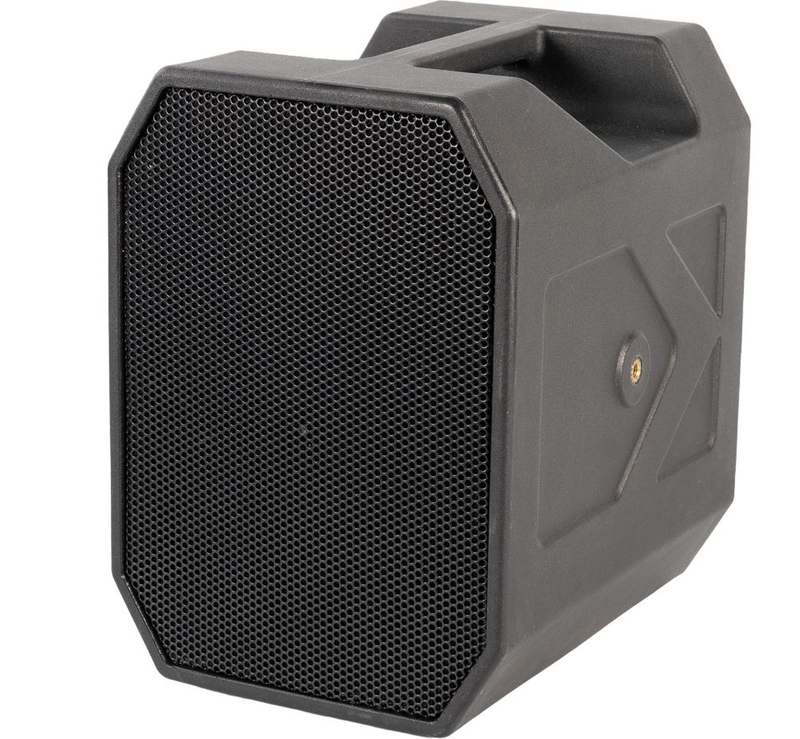
Consider the Quality and Compatibility of Your Audio Equipment
When selecting a loudspeaker, it’s essential to consider its quality and compatibility with your existing audio setup. Key factors include power handling, frequency range, and sensitivity. These elements determine how well the speaker will perform in your system and whether it will provide clear, reliable sound across different volumes and environments.
● Power Handling: The amount of power a speaker can handle without distortion or damage. High power handling ensures that the speaker can operate at peak performance without clipping or distortion, especially in larger venues.
● Frequency Range: This defines the spectrum of sound frequencies the speaker can reproduce, from deep bass to high treble. A wider frequency range means the speaker can handle a more diverse set of audio signals, producing clearer and more detailed sound.
● Sensitivity: This refers to the speaker’s efficiency at converting power into sound. A higher sensitivity rating means the speaker produces more sound from the same amount of power, making it ideal for venues where you need to maximize output.
Lihui Technology’s loudspeakers are designed with these critical factors in mind, ensuring that each product meets the demands of both large venues and home audio systems. Their R&D expertise ensures that every loudspeaker delivers excellent sound quality, reliability, and seamless integration with various audio setups.
Lihui Technology's Audio Solutions: Professional & Reliable
For nearly 20 years, Lihui Technology has been at the forefront of audio equipment innovation. The company is known for its high-quality speakers, amplifiers, and mixers, all designed to deliver professional-grade sound. Whether for live events, conference rooms, or home theaters, Lihui’s audio solutions offer:
● Reliability: Lihui products are built to last and perform under demanding conditions, ensuring consistent sound delivery in any environment.
● Quality: Each speaker is crafted using top-tier components, designed to produce clear, accurate sound that fills any space.
● Performance: Whether you're hosting a large concert or creating an immersive home theater, Lihui loudspeakers deliver the power and clarity needed to enhance the audio experience.
Conclusion
In this article, we explored how a loudspeaker works, detailing the key components like the voice coil, diaphragm, and magnet. We discussed how these parts interact to transform electrical signals into sound. Lihui Technology offers reliable and innovative audio solutions, including high-performance loudspeakers for various venues.
FAQ
Q: What is a loudspeaker?
A: A loudspeaker is a device that converts electrical signals into sound. It works by vibrating a diaphragm to move air, creating sound waves.
Q: How does a loudspeaker produce different frequencies?
A: Different cone sizes and drivers in a loudspeaker handle high and low frequencies. Woofers produce bass, while tweeters handle treble.
Q: Why is the voice coil important in a loudspeaker?
A: The voice coil creates a magnetic field that interacts with the speaker’s magnet, causing the diaphragm to move and produce sound.
Q: What factors affect a loudspeaker’s performance?
A: Key factors include power handling, frequency range, and sensitivity, which affect sound volume and clarity.
Q: How can I choose the right loudspeaker for my needs?
A: Consider the size of your venue, whether the speaker is for permanent or mobile use, and match the loudspeaker’s power and frequency range to your audio needs.


 +86-18822957988
  rick@lihuitech.com
  +86-13925512558
  Hengbang Technology Park Lihui Technology Co., Ltd., No. 8 Weiheng Road, Niushan Industrial Zone, Dongguan City