Introduction
Choosing the right speaker can be overwhelming. Do you opt for the convenience of an Active Speaker or the customization of a Passive Speaker? In this article, we'll explore the key differences between both, helping you decide which speaker suits your needs.
What Are Active and Passive Speakers?
Understanding Passive Speakers
Passive speakers are traditional audio devices that require an external amplifier to function. These speakers consist of a driver, crossover, and enclosure, but without an internal amplifier. The external amplifier powers the speakers by amplifying the audio signal, which is then sent through speaker wires.
One of the challenges of passive speakers is that you need to ensure the amplifier is properly matched to the speaker’s impedance and power needs. This setup can be complex, especially for beginners, as it requires more components and careful setup to avoid damaging the system.
Understanding Active Speakers
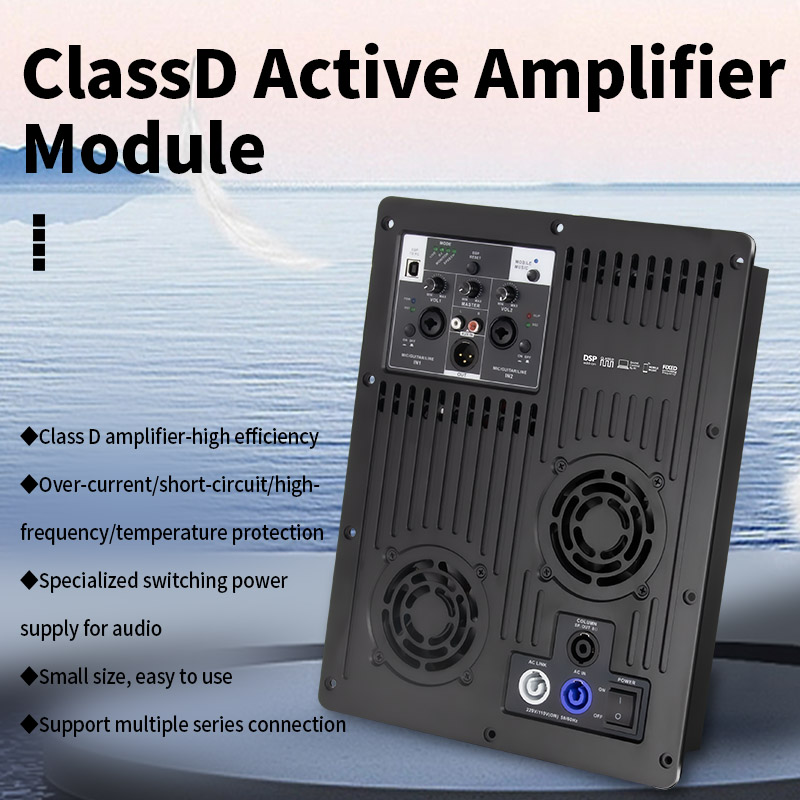
Active speakers, on the other hand, come with a built-in amplifier. This means they don’t need an external amp, which simplifies setup and makes them a convenient option for quick installations. You only need to connect the audio source and plug the speakers into a power source, making them ideal for portable or compact systems.
Active speakers, like those from Lihui Technology, integrate all necessary components, reducing setup time and providing a hassle-free experience. These speakers are particularly suited for environments like home audio systems or live events, where simplicity and high-quality performance are key.
Benefits of Active Speakers
Simplicity and Convenience
Active speakers are a convenient all-in-one solution, integrating both the amplifier and speaker into one unit. This eliminates the need for an external amplifier, making setup quick and easy. You simply need to connect your audio source and plug in the speaker.
● No extra wiring: With built-in amplifiers, there’s no need for external connections, reducing clutter.
● Perfect for home audio systems: Ideal for users looking for an efficient, straightforward audio setup without worrying about amplifier matching.
Active speakers are especially suitable for portable setups like Bluetooth speakers or small PA systems, where space is limited, and convenience is a top priority. For example, Lihui Technology’s Pro Active Linear Array Speakers provide all-in-one solutions that can be used easily in small events or home environments.
Enhanced Sound Quality and Efficiency
Active speakers are known for their superior sound quality because they are designed with integrated amplification and often feature advanced technologies like Digital Signal Processing (DSP). DSP allows for precise sound shaping and optimizes amplification, delivering clearer, more accurate audio.
● Optimized amplification: The amplifier is specifically tuned for the speaker, ensuring the best sound output.
● Reduced distortion: Thanks to DSP and proper tuning, active speakers have lower distortion at higher volumes, ensuring crisp and clear audio.
Here’s a quick comparison of how Active Speakers improve sound quality over traditional setups:
Feature | Active Speakers | Traditional Speakers (Passive) |
Amplification | Integrated amplifier tuned to speaker | Requires external amplifier, tuning needed |
Sound Quality | Precise sound shaping via DSP | Can suffer from distortion at higher volumes |
Efficiency | Optimized for low distortion and high clarity | Potential loss of sound quality due to external components |
The DSP chip is particularly helpful in fine-tuning the response of both the bass and treble, resulting in a balanced sound. This makes them a great option for users looking to achieve high-quality audio without additional tuning or components. Lihui Technology’s active speakers come with features like DSP, ensuring excellent sound quality even in challenging environments.
Wireless Capabilities
One of the standout features of active speakers is their wireless connectivity. Many active speakers support Bluetooth or Wi-Fi, allowing you to stream music from any Bluetooth-enabled device without the need for extra cables or equipment.
● Bluetooth: For seamless connection to smartphones, laptops, and other Bluetooth-enabled devices.
● Wi-Fi: Supports streaming from a wider range of devices and applications, ideal for smart homes or larger setups.
Active speakers are ideal for modern setups that prioritize wireless audio systems. Whether you’re looking for a portable Bluetooth speaker or a Wi-Fi-enabled system for your home or business, active speakers provide a flexible, easy-to-use solution. Lihui Technology’s active speaker systems integrate these wireless features, allowing users to easily connect and control their music playback.
Portability and Integration
Active speakers are typically more compact and portable compared to passive systems, which makes them ideal for situations where space is a constraint. Whether you're using them in small venues or even outdoor events, active speakers can be moved around with ease.
● Compact design: Active speakers are perfect for environments where space is limited.
● Ideal for small or confined spaces: Their portability makes them suitable for a range of applications, from home offices to outdoor setups.
Benefits of Passive Speakers
Flexibility and Customization
Passive speakers are perfect for users who value customization and the ability to tailor their sound system to their specific needs. Since passive speakers don’t have built-in amplifiers, users have the freedom to choose amplifiers that best match the speakers' power handling capabilities and desired sound profile.
● Customization: Choose your amplifier, crossover, and other components for a truly personalized setup.
● Ideal for audiophiles: Passive speakers allow experienced users to mix and match the best components to achieve the perfect sound.
This flexibility makes passive systems a preferred choice for high-end audio setups, where users are willing to invest in premium amplifiers and other high-quality components to maximize sound performance.
Durability and Longevity
One of the key advantages of passive speakers is their durability. Since they don’t contain internal electronics like amplifiers, they generally have a longer lifespan.
● Longer lifespan: Passive speakers are less prone to failure compared to active speakers, which have internal amplifiers that can wear out over time.
● Easy driver replacement: If a driver fails in a passive speaker, it’s typically easier and less expensive to replace than in active speakers, where the entire amplifier might need replacing.
Superior Sound Quality Potential
Passive speakers provide the potential for superior sound quality when paired with the right components. The key benefit is that users can choose the amplifier that best suits the speakers, allowing for precise control over sound characteristics.
● Sound precision: For users who understand how to match amplifiers with speakers, passive systems can offer unmatched audio clarity and detail.
● Upgrade potential: Over time, you can swap out individual components, like amplifiers or crossovers, to improve or fine-tune the system’s performance.
This level of fine-tuning makes passive speakers particularly appealing for those who enjoy audiophile setups and home theater systems where the goal is to achieve the best possible sound quality.
Better for Larger Systems and Home Theaters
Passive speakers are often the preferred choice for larger audio setups like home theaters, where customization and flexibility are important. Since passive speakers don’t come with built-in amplifiers, they can be paired with powerful external amplifiers that are capable of driving large systems.
● Home theater systems: Passive speakers allow for advanced customization, making it easier to match components to the specific acoustics of the room.
● Professional use: Passive speakers are often found in professional audio systems, where high levels of audio control and power are required.
Which Speaker Is Right for You?
Consider Your Setup and Space
When deciding between active and passive speakers, your available space plays a crucial role. Active speakers are designed for smaller environments where simplicity is essential. Since they include a built-in amplifier, you don’t need any additional equipment to set them up. This makes them an excellent choice for environments like apartments, small performance spaces, or home audio systems where convenience and quick deployment are important.
● Compact and easy-to-use: With built-in amplification, active speakers save time and space.
● Quick setups: Perfect for small venues or events that require minimal hassle.
For example, Lihui Technology’s Pro Active Linear Array Speaker System and Single 10″ Linear Array Speakers are all-in-one solutions designed specifically for small to medium-sized venues like churches and outdoor events. These active speaker systems integrate everything needed for quick and easy setups, offering flexibility without compromising sound quality.
Sound Quality and Audio Preferences
If you’re an audiophile who enjoys tweaking your system and pairing the best amplifiers with the perfect speakers, passive speakers will likely be a better fit. Passive systems provide the flexibility to choose your amplification, giving you full control over how the sound is shaped.
On the other hand, if you prefer consistent, high-quality performance with minimal setup, active speakers are ideal. These speakers, like Lihui Technology’s active systems, come with integrated amplifiers and DSP technology, ensuring optimized sound quality without the need for extra components.
● Active speakers: Lihui Technology’s active speakers deliver high-quality sound with built-in DSP for sound shaping and low distortion, perfect for live sound reinforcement and professional setups.
● Passive speakers: Allow for more control over sound quality by choosing specific amplifiers and components.
Lihui Technology’s active speakers, with advanced DSP technology, ensure superior sound performance, making them a great option for users who want immediate high-quality audio without the hassle of configuring multiple components.
Budget and Cost Considerations
Cost is another critical factor when choosing between active and passive speakers. Active speakers tend to be more cost-effective in the short term because they come with built-in amplifiers, meaning you don’t need to purchase a separate amplifier. However, passive speakers might offer a better long-term investment if you plan to upgrade your system over time and choose higher-end amplifiers or other components.
Below is a comparison of the cost considerations between active and passive speakers:
Feature | Active Speakers | Passive Speakers |
Upfront Cost | Generally more affordable, as no amp is needed | Requires purchasing an external amplifier |
Long-term Investment | Lower initial cost, but no future upgrades to amplifier | Can be upgraded over time with better amplifiers |
Convenience | Easy setup with built-in amplification | Requires more setup and additional equipment |
Conclusion
The article compares the advantages of active and passive speakers to help readers choose the best option for their needs. Active speakers are ideal for smaller setups, offering built-in amplifiers, wireless capabilities, and ease of use. Lihui Technology offers active speaker systems, ensuring high performance and value for various venues, from small spaces to large professional setups.
FAQ
Q: What is an Active Speaker?
A: An Active Speaker has a built-in amplifier, allowing for simpler setups and better sound quality, without needing additional equipment like external amps.
Q: What are the benefits of Active Speakers?
A: Active Speakers offer ease of use, enhanced sound quality with DSP technology, and wireless connectivity, making them ideal for quick setups and compact systems.
Q: Can I use Active Speakers for outdoor events?
A: Yes, Active Speakers like those from Lihui Technology are designed for both indoor and outdoor use, providing excellent performance in various environments.
Q: How do Active Speakers compare to Passive Speakers in terms of setup?
A: Active Speakers are easier to set up as they come with built-in amplifiers, while Passive Speakers require external amps and more complex setup.
Q: Are Active Speakers more expensive than Passive Speakers?
A: Active Speakers may have a higher upfront cost due to their built-in amplifier, but they are often more cost-effective in the long run as they don’t require additional equipment.


 +86-18822957988
  rick@lihuitech.com
  +86-13925512558
  Hengbang Technology Park Lihui Technology Co., Ltd., No. 8 Weiheng Road, Niushan Industrial Zone, Dongguan City