Introduction
Ever wondered how your audio system can produce such clear, powerful sound? The secret lies in Audio Power Amplifier Modules.
In this article, we will explore the essential function of these amplifier modules and how they enhance the sound quality of your system. You’ll learn how Audio Power Amplifier Modules boost signal strength, ensure clarity, and make your audio systems come to life.
What is the Function of Audio Power Amplifier Modules?
What Is an Audio Power Amplifier Module?
An Audio Power Amplifier Module is a compact device that amplifies a weak audio signal to a level capable of driving speakers. These modules are designed to be integrated into various audio systems, from home theater setups to large-scale sound reinforcement in concert halls. Unlike standalone amplifiers, these modules are compact, efficient, and often come with built-in protection features. They ensure that the audio signal reaches the speakers with enough power to produce clear, powerful sound.
Key Features:
● Compact Size: Integrated directly into systems, saving space.
● High Efficiency: Reduces power loss while maintaining strong output.
● Built-In Protection: Prevents overheating and overloading, ensuring durability.
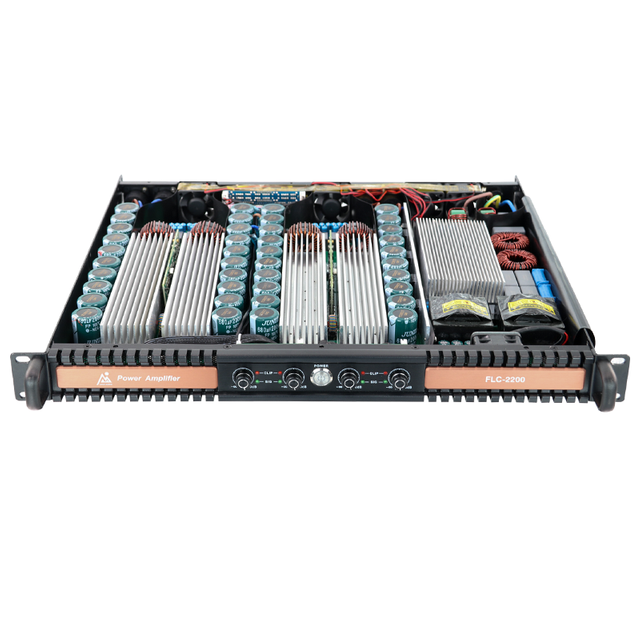
The Role of the Amplifier Module in Boosting Audio Signals for Speakers
The amplifier module’s main function is to take the low-power audio signal from the source, whether it's a microphone, a mixer, or a digital audio player, and amplify it to a level suitable for driving speakers. Without this step, the audio would not have enough power to produce sound at usable levels.
In simple terms, these modules:
● Increase Signal Strength: Amplifies the signal to ensure it can drive the speaker efficiently.
● Maintain Sound Quality: High-quality modules minimize distortion during the amplification process.
● Ensure Speaker Compatibility: The module matches the power output to the speaker's capacity, ensuring the system functions without damage.
The Basics of Audio Power Amplifier Modules
How Do Audio Power Amplifier Modules Work?
Audio Power Amplifier Modules work by amplifying a low-power audio signal through a series of stages. The process typically includes:
1. Input Stage: The low-power signal enters the module.
2. Voltage Amplification Stage: The voltage of the signal is increased by transistors or operational amplifiers.
3. Output Stage: The high-voltage signal is then converted to a higher current output that can drive speakers.
This series of amplification ensures that the signal remains clear and intact while gaining the power needed for loud sound production. Lihui’s modules, for example, focus on low distortion and high efficiency to keep the sound crisp even at high power levels, suitable for use in concert halls, home theaters, or public events.
Different Types of Audio Power Amplifier Modules
There are several amplifier classes, each with its own strengths and trade-offs. These include:
● Class A: Offers high fidelity with low distortion, but is inefficient as it generates a lot of heat.
● Class B: More efficient than Class A, but may introduce distortion at low signal levels.
● Class AB: Combines the benefits of Class A and B, offering both low distortion and better efficiency.
● Class D: Known for its high efficiency, typically around 90%, making it ideal for portable or battery-powered systems.
Class | Efficiency | Distortion | Common Use |
Class A | Low | Low | High-end audio |
Class B | Medium | Medium | Budget amplifiers |
Class AB | High | Low | Home theaters, PA systems |
Class D | Very High | Medium | Portable, battery-powered systems |
Why Audio Power Amplifier Modules are Essential
Why Are Amplifier Modules Used in Audio Systems?
Audio systems rely on amplifier modules to transform weak audio signals into powerful outputs that can drive speakers effectively. Without amplification, the audio signal remains too quiet to be heard clearly or at all in large spaces. These modules provide the necessary power to ensure that sound systems can deliver audio at the desired volume and clarity.
● Amplification of Low-Power Signals: Audio signals from sources like microphones, mixers, or digital devices are generally too weak to drive speakers directly. The amplifier module boosts these signals to a usable level.
● Ensuring Loudness and Clarity: The module ensures the audio reaches the desired loudness without distorting the original sound. Modules like those from Lihui Technology are designed to maintain signal integrity, providing clear, high-quality sound even at high volumes.
Benefits of Using Audio Power Amplifier Modules
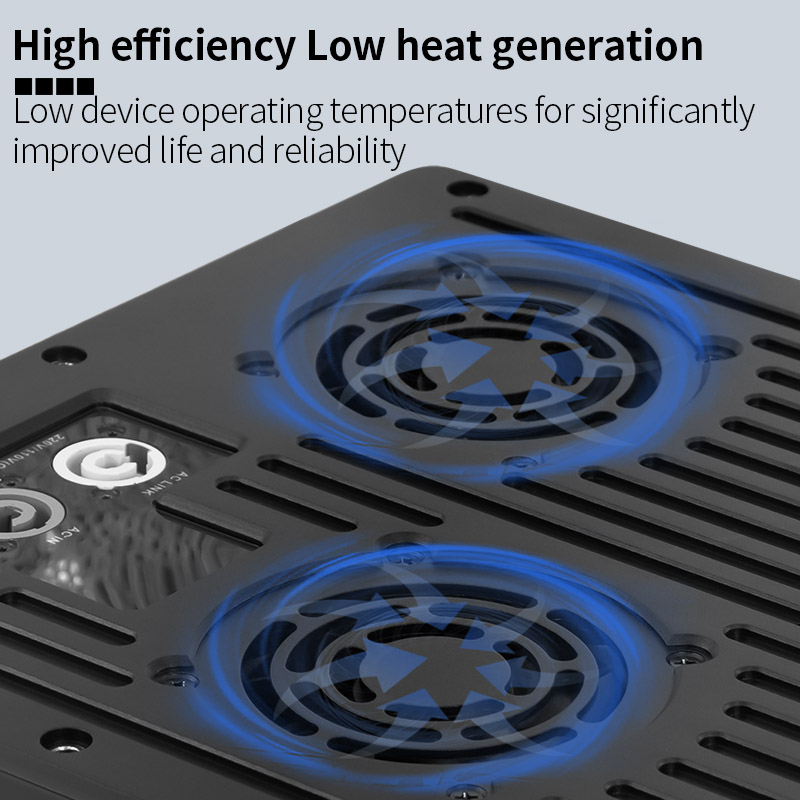
● Efficient Amplification: These modules are designed for high efficiency, converting more of the input power into usable output, reducing energy waste and heat generation. This makes them ideal for portable and battery-powered systems.
● Compact Design: The module's integrated design allows for a space-saving solution in audio setups. Instead of requiring separate components, the amplifier is embedded within the speaker or system, making setup easier and more streamlined.
● Seamless Integration: Amplifier modules can be easily integrated into a variety of systems, including home theater systems, PA systems, and concert setups. They offer a simple, reliable solution for ensuring the system operates efficiently and at full capacity.
Common Applications of Audio Power Amplifier Modules
These modules are commonly used in several types of audio systems, providing the amplification needed for clear and powerful sound across different environments:
● Public Address Systems: Amplifier modules are crucial in PA systems, where clarity and loudness are essential for large crowds.
● Home Theaters: These modules enhance the audio experience by providing high power output for clear sound reproduction.
● Concerts and Live Events: In live sound setups, amplifier modules drive large arrays of speakers to ensure consistent sound coverage in large venues.
● Portable Audio Systems: Many portable audio devices rely on compact amplifier modules to provide high output while maintaining battery life.
How to Choose the Right Audio Power Amplifier Module
Key Considerations When Selecting an Amplifier Module
Matching Power Output to Speaker Requirements
When choosing an audio power amplifier module, it’s crucial to ensure that the power output aligns with the needs of your speakers. For example, if you’re setting up a home theater or PA system, Lihui Technology’s Class D amplifier modules provide the high efficiency and power output needed for various audio environments. These modules offer a perfect balance, providing enough power for active speakers or subwoofers without compromising sound quality.
● Important Consideration: Always check the wattage and impedance of both your speaker and amplifier module to avoid mismatched performance or damage to components.
Impedance Matching for Optimal Performance
Proper impedance matching ensures maximum power transfer between your amplifier module and speakers. If the impedance of the amplifier doesn’t match the speaker’s impedance, you may experience poor sound quality or even damage your equipment. Lihui’s amplifier modules are designed to easily match 4–8Ω impedance for a range of speaker configurations. This versatility makes them suitable for various applications, from live events to studio setups.
● Key Tip: Always match the impedance ratings of your amplifier and speakers to ensure stable and efficient operation.
Efficiency and Thermal Management in Audio Modules
Importance of Efficiency in Reducing Heat Generation and Power Consumption
The efficiency of an audio power amplifier module is essential, especially for portable audio systems or large-scale setups where heat buildup and power loss can be problematic. For example, Lihui’s Class D modules achieve up to 90% efficiency, which greatly reduces heat production and power loss. This high efficiency means less energy is wasted, and your system can perform longer without overheating.
● Efficiency Advantage: High-efficiency modules also allow for smaller form factors, which is ideal for modern audio systems where space is limited.
How to Handle Thermal Challenges in High-Power Amplifiers
In high-power applications, managing thermal issues becomes critical. Poor thermal management can lead to overheating, reduced performance, or even system failure. Lihui’s audio power amplifier modules are built with thermal protection circuits and heat dissipation mechanisms, ensuring that even in demanding environments, the system remains stable.
● Thermal Consideration: If you’re working with large-scale systems or high-power amplifiers, ensure proper ventilation or consider additional heat sinks to keep your system running efficiently.
Impedance and Signal Compatibility
Ensuring the Module is Compatible with the Speakers and Source Device
To maintain signal integrity, the amplifier module must be compatible with both the speaker and the source device. Lihui’s audio amplifier modules are designed to integrate seamlessly with various active and passive speakers, making them versatile for use in both home audio setups and professional sound systems. Whether connecting to a mixer, digital audio player, or microphone, these modules ensure that the audio signal is clean and clear.
● Signal Compatibility: Ensure the amplifier module’s input and output compatibility matches the signal types and levels of the source and speaker devices for the best performance.
Conclusion
Audio Power Amplifier Modules are essential components in audio systems, designed to amplify weak signals to drive speakers effectively. Lihui Technology’s Audio Power Amplifier Modules are highly efficient, compact, and integrate seamlessly into various audio systems, including home theaters, public address systems, and live sound applications.
FAQ
Q: What is an Audio Power Amplifier Module?
A: An Audio Power Amplifier Module is a component that amplifies weak audio signals to a level suitable for driving speakers in audio systems.
Q: How do Audio Power Amplifier Modules work?
A: They amplify low-power audio signals through stages, increasing voltage and current to drive speakers effectively without distorting the original sound.
Q: Why are Audio Power Amplifier Modules used in audio systems?
A: These modules are used to ensure audio signals reach the required volume and clarity, enabling speakers to perform at their best in various audio systems.
Q: What are the benefits of using Audio Power Amplifier Modules?
A: They offer efficient power amplification, compact design, and ease of integration into audio systems, providing clear, powerful sound.
Q: What types of systems use Audio Power Amplifier Modules?
A: They are commonly used in home theaters, concerts, public address systems, and portable audio setups for amplifying signals and delivering high-quality sound.


 +86-18822957988
  rick@lihuitech.com
  +86-13925512558
  Hengbang Technology Park Lihui Technology Co., Ltd., No. 8 Weiheng Road, Niushan Industrial Zone, Dongguan City