Introduction
Choosing the right Pro DSP AMP Plate can transform your audio system. But with so many options, how do you know which one fits your needs? In this article, we’ll dive into the essential factors that determine the best DSP AMP Plate for your setup.
What Is a Pro DSP AMP Plate?
Understanding the Basics of a Pro DSP AMP Plate
A Pro DSP AMP Plate is a sophisticated combination of an amplifier and a Digital Signal Processor (DSP). These units are specially designed to amplify audio signals while also applying DSP algorithms to enhance and fine-tune sound quality. The combination allows for high performance and efficiency, which is why it is often found in professional audio systems like home theaters, sound reinforcement setups, and active speaker systems.
DSP allows for more precise control over the sound output, ensuring that the audio signal is not only amplified but also optimized for clarity, balance, and precision. Whether you're upgrading a home audio system or working on a commercial sound setup, the DSP AMP Plate is essential for delivering clear, high-quality audio.
Common Uses of Pro DSP AMP Plates in Audio Systems:
● Home theaters for rich, immersive sound.
● Active speaker systems for controlled audio output.
● Sound reinforcement in live event setups.
The integration of DSP in these amplifier plates is crucial in professional settings. It helps to customize sound profiles, providing more control over bass, treble, and other frequencies for various content types (like movies, music, or gaming). This makes Pro DSP AMP Plates a must-have in high-end audio systems.
How Does a DSP AMP Plate Work?
At its core, a Pro DSP AMP Plate receives an audio signal from a source, such as a TV, music player, or streaming device. This signal is then processed by the DSP chip, which manipulates the audio using digital algorithms to improve sound clarity. After processing, the signal is sent to the amplifier section of the unit, which increases the signal’s power to drive speakers.
The DSP allows for advanced sound control by adjusting the frequency response, managing volume, and even applying effects like reverb or equalization. This makes the audio feel more lifelike and tailored to specific environments.
Key Benefits of DSP AMP Plates:
● Optimized sound output for different environments (e.g., home theaters, live events).
● Enhanced control over audio settings (bass, treble, sound modes).
● Improved signal clarity with advanced digital signal processing.
Types of Pro DSP AMP Plates
When selecting a Pro DSP AMP Plate, it’s important to consider the specific needs of your audio setup. There are several types of DSP amplifier plates, each designed for different applications.
Single-channel vs. Multi-channel Configurations
● Single-channel plates are used to power a single subwoofer or a speaker in simpler setups.
● Multi-channel plates, on the other hand, can power multiple speakers or an entire surround sound system. These configurations are ideal for larger audio setups where multiple channels are necessary to drive both low-frequency and high-frequency drivers.
Analog vs. Digital (Class D) Models
● Analog models are less common today due to their higher power consumption and heat generation. However, they are still preferred for certain warmth and natural sound reproduction.
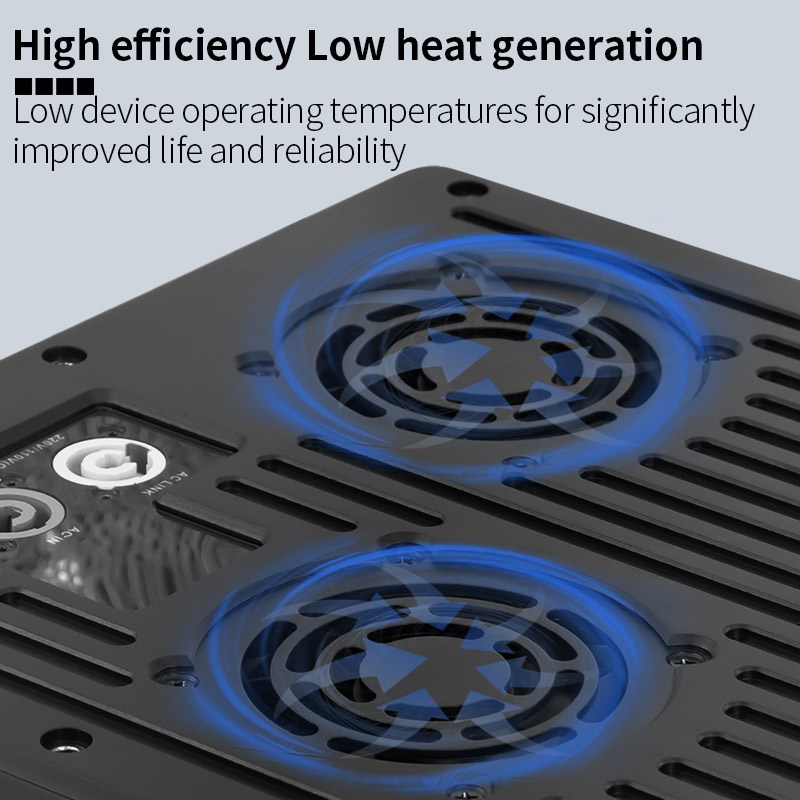
● Digital (Class D) models dominate the market today, offering high efficiency (>90%), low heat generation, and better performance in portable or high-power applications. Class D models are more practical for live sound and large-scale installations.
Type of Pro DSP AMP Plate | Description | Ideal Use |
Single-Channel Plate | Powers one speaker/subwoofer | Small setups, single-driver applications |
Multi-Channel Plate | Powers multiple speakers/subwoofers | Surround sound systems, larger venues |
Analog Plate | Warm sound reproduction, higher power consumption | High-end home audio setups, vintage sound |
Digital (Class D) Plate | High efficiency, low heat generation | Live sound, commercial installations |
Fixed DSP vs. Configurable DSP Models
● Fixed DSP models are pre-tuned and often come with basic settings. They are simple to use but lack flexibility for professional customizations.
● Configurable DSP models allow for complete user control over parameters like equalization, frequency crossover, and sound modes. These models are more versatile and better suited for environments where acoustic control is critical.
Key Factors to Consider When Choosing a Pro DSP AMP Plate
Speaker Compatibility and Power Requirements
When selecting a Pro DSP AMP Plate, ensuring the amplifier power matches the speaker specifications is one of the most critical factors. This means paying attention to the RMS power (Root Mean Square) and impedance ratings of both the amplifier and the speakers. Here's how to go about it:
● Matching amplifier power with speaker specifications: The power of the amplifier should align with the power-handling capacity of the speakers. For example, a speaker rated at 400W RMS should ideally be powered by an amplifier with similar or slightly higher output.
● Importance of having enough power headroom: It's important to have sufficient power headroom. An amplifier with higher power than the speaker's rating ensures that the system can handle dynamic peaks without distortion or damage. Power headroom allows for cleaner sound when the audio signal suddenly spikes, especially during action scenes in movies or intense music passages.
● Understanding the power output needed for your speaker setup: Different speakers require different power outputs. If you're using a subwoofer alongside satellite speakers, ensure that the amplifier's power output suits both. For example, the subwoofer might require more power (e.g., 800W) than the satellite speakers (e.g., 200W), so having the right balance is key for overall system performance.
Power Requirement | Speaker Type | Recommended Amplifier Power |
200W RMS | Satellite speakers | 200W–250W RMS |
400W RMS | Full-range speakers | 400W–500W RMS |
800W RMS | Subwoofer | 800W–1000W RMS |
Digital Signal Processing (DSP) Features
One of the key advantages of Pro DSP AMP Plates is the integration of Digital Signal Processing (DSP), which allows for extensive control over the audio output. Here’s why DSP features matter:
● Overview of DSP capabilities: DSP algorithms process the audio signal to improve its quality. Features typically include:
○ Equalization (EQ): Adjusts the frequency response for a better balance between low, mid, and high frequencies.
○ Crossover settings: Ensures that the right frequencies are sent to the right speakers (e.g., bass to the subwoofer, treble to the tweeters).
○ Delay: Allows adjustments to synchronize audio signals across multiple speakers.
○ Sound modes: Predefined modes like movie, music, and game that adjust the sound characteristics accordingly.
● The importance of adjustable DSP for different sound environments: Depending on the environment, sound requirements may vary. A home theater setup might benefit from a "movie mode" that enhances dialogues and bass, while a "music mode" might prioritize natural sound and stereo imaging. Pro DSP AMP Plates allow you to fine-tune these settings to meet specific needs.
● How DSP enhances the customization and control of audio output: With configurable DSP, you get complete control over the sound experience. Whether you need to balance the bass for a subwoofer-heavy setup or adjust the treble for clearer dialogue in a home theater, DSP enables you to optimize audio output to your exact specifications. Lihui Technology’s DSP amplifiers offer intuitive DSP settings, making it easy for both home users and sound professionals to achieve perfect sound across different audio environments.
How to Install a Pro DSP AMP Plate in Your Audio Setup
Step-by-Step Installation Guide
Installing a Pro DSP AMP Plate might seem like a complex task, but with a step-by-step approach, it becomes a smooth process. Here's how you can set up your DSP amplifier plate correctly for the best audio experience.
1. Connecting the audio source to the DSP AMP Plate
Begin by connecting your audio source to the Pro DSP AMP Plate. This could be a TV, media player, or music streaming device. Use the appropriate cables based on your device’s output, such as RCA, XLR, or HDMI cables. Make sure to select the correct input on the DSP plate that corresponds to your audio source.
2. Proper speaker wiring and connections
After connecting the audio source, move on to the speaker wiring. Connect the positive (+) and negative (-) terminals of your speakers to the corresponding output terminals on the Pro DSP AMP Plate. Ensure that the wires are securely attached to prevent any loose connections that could disrupt the audio signal.
Speaker Wiring Guide:
a. For subwoofers: Connect to the low-frequency output.
b. For satellite speakers: Use the main output channels.
Here’s a basic layout of the wiring setup:
Connection Point | Speaker Type | Action |
Positive (+) | Subwoofer/Satellite | Connect to output terminal |
Negative (-) | Subwoofer/Satellite | Secure to negative terminal |
Power Connection | - | Plug into power outlet |
3. Powering up the amplifier and adjusting settings
Now, power up the Pro DSP AMP Plate. After turning on the amplifier, you'll need to adjust the settings to suit your audio needs. This includes selecting the input source, setting the volume, and ensuring that the amplifier is working correctly.
Configuring DSP Settings for Optimal Sound
Once your DSP amplifier plate is connected and powered up, it’s time to fine-tune the settings for optimal sound performance. This involves adjusting parameters such as bass, treble, and crossover points, which are all part of the DSP configuration.
● Adjusting bass, treble, and crossover points
Bass and treble adjustments allow you to enhance low-end and high-end frequencies for a richer audio experience. Crossover points are critical in directing certain frequencies to the appropriate speakers. For instance, low frequencies should be sent to the subwoofer, while higher frequencies are suited for satellite speakers.
● Fine-tuning for different content types
Many DSP amplifiers, like Lihui Technology's DSP Plate, offer preset modes that automatically adjust the sound for specific content. Whether you're watching movies, listening to music, or gaming, these presets ensure that the sound is optimized for each experience.
Content-based DSP Modes:
○ Movie Mode: Enhances dialogue clarity and boosts bass for an immersive experience.
○ Music Mode: Provides a balanced, natural sound suitable for listening to music.
○ Game Mode: Focuses on sound effects and adds depth to game audio.
● Using remote control or app interfaces for easy setup and control
For most Pro DSP AMP Plates, you can manage the settings using a remote control or mobile app interface. This gives you easy access to control features such as volume, EQ settings, and even sound modes from a distance. Lihui Technology’s Pro DSP amplifiers support this feature, making it simple to switch between different audio environments without needing to touch the plate itself.
Benefits of Using a Pro DSP AMP Plate in Your Audio System
Improved Sound Quality and Clarity
One of the main advantages of using a Pro DSP AMP Plate in your audio system is the improved sound quality. The integration of Digital Signal Processing (DSP) enhances audio clarity, ensuring that the sound you hear is precise and well-balanced. Here’s how DSP processing contributes to better audio:
● Clearer and more balanced audio: DSP algorithms help to fine-tune frequencies across the audio spectrum, making the sound more balanced and eliminating harshness in the high frequencies or muddiness in the low end.
● Enhanced bass response and vocal clarity: A DSP AMP Plate ensures that the bass is punchy and deep, while keeping vocals crisp and clear. Whether you're watching a movie or listening to music, DSP processing brings out the best in all elements of the audio mix.
● Minimized distortion and interference: By processing the signal before amplification, DSP reduces unwanted noise and distortion, improving overall sound fidelity. This is especially useful in environments with multiple audio sources, such as concert halls or home theaters.
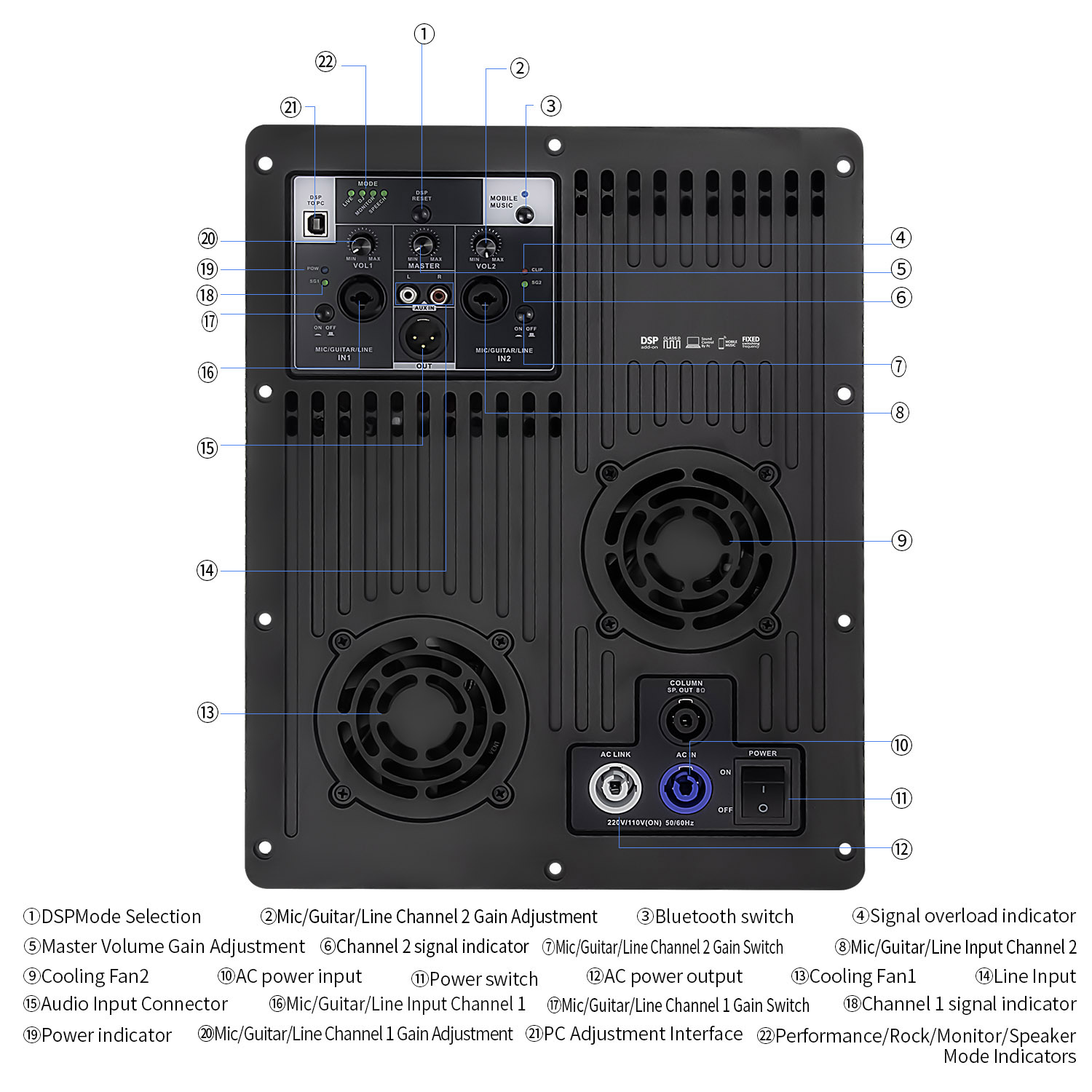
Lihui Technology's MT12660D DSP amplifier plate exemplifies this with crystal-clear sound and precise control. This makes it an ideal choice for professional environments such as performance venues and home theater systems where high audio quality is a must.
Enhanced Control and Customization
Another major benefit of Pro DSP AMP Plates is the ability to customize the sound output to meet your needs. Here’s how:
● Adjusting bass, volume, and frequency response: DSP plates allow you to adjust the bass and treble levels, ensuring that your audio system is perfectly tailored to your room’s acoustics. You can also fine-tune the volume to avoid distortion at high levels.
● Sound mode customization: Many DSP AMP plates come with sound mode presets for various types of content. For instance, movie mode enhances dialogue clarity, while music mode boosts natural audio fidelity. These modes provide instant adjustments that are ideal for different audio environments.
● Flexibility for live performances and different setups: Whether you are setting up for a live performance, a movie marathon, or a gaming session, the DSP provides the flexibility to adjust the sound to suit each experience. It’s not just about controlling the volume, but about tailoring the entire audio output for maximum impact.
Lihui Technology’s DSP Plate amplifiers, like the MT12660D, offer customizable sound modes, allowing audio engineers and home theater enthusiasts to have more control over their sound setup, no matter the environment.
Increased Compatibility and Flexibility
Pro DSP AMP Plates stand out for their wide compatibility with various audio systems and speakers. Here’s why this matters:
● Compatibility with multiple speakers and audio sources: A high-quality DSP AMP Plate works seamlessly with different types of speakers, from subwoofers to satellite speakers. Whether you're using a basic stereo system or a complex multi-channel setup, the DSP AMP Plate can handle it.
● Advantage in home theater and professional systems: In home theater systems, DSP AMP Plates help deliver an immersive experience by adjusting audio output for a perfect blend of bass and treble. In professional audio systems, such as concert halls or sports arenas, they ensure consistent performance and clear sound coverage.
● Simplified integration in complex setups: With advanced connectivity options like XLR, TRS, and HDMI, Pro DSP AMP Plates from Lihui Technology integrate easily with both analog and digital systems. This makes them ideal for large venues or complex installations.
Lihui’s advanced amplifier modules provide seamless integration with various professional speakers, offering versatility and reliable performance in spaces such as concert halls and sports arenas.
Feature | Benefit | Example Use Case |
Compatibility | Works with different speakers and audio sources | Home theater systems, concert venues |
Sound Customization | Tailors bass, treble, and sound modes for different setups | Music production, live sound |
Easy Integration | Simple installation with various connection types | Large-scale installations, high-end audio setups |
Conclusion
How to choose the best Pro DSP AMP Plate depends on factors like speaker compatibility, power requirements, and DSP features. Lihui Technology offers high-quality DSP amplifier plates that ensure crystal-clear sound, precise control, and easy integration for both home theater and professional audio systems.
FAQ
Q: What is a Pro DSP AMP Plate?
A: A Pro DSP AMP Plate combines digital signal processing and amplification in a single unit, enhancing audio clarity and control.
Q: How does DSP improve sound quality in audio systems?
A: DSP optimizes sound by adjusting frequencies, reducing distortion, and enhancing clarity, bass, and treble levels.
Q: Why should I choose a Pro DSP AMP Plate for my home theater?
A: A Pro DSP AMP Plate allows for precise sound adjustments, offering an immersive audio experience with clear dialogue and deep bass.
Q: What power output do I need for my speakers?
A: Choose a Pro DSP AMP Plate with power that matches or slightly exceeds the speaker's RMS rating for clear, distortion-free sound.
Q: What are the advantages of using Lihui Technology’s DSP AMP Plates?
A: Lihui Technology’s DSP AMP Plates provide customizable sound modes, ensuring precise control for both home theaters and professional setups.


 +86-18822957988
  rick@lihuitech.com
  +86-13925512558
  Hengbang Technology Park Lihui Technology Co., Ltd., No. 8 Weiheng Road, Niushan Industrial Zone, Dongguan City